Ruminants in the pasture and pigs in the pen

Gastrointestinal nematodes in ruminants, poultry and swine

Discover how oregano oil, wormwood extract and quillaja extract can help support animal resilience under parasite pressure by promoting a balanced gut microbiota, gut integrity and productive performance.

Biological impact and economic consequences

Gastrointestinal nematodes (GIN) are endemic in pasture-based ruminant, poultry and swine production systems, where animals are more exposed to contaminated environments [2][3]. Their presence negatively affects animal health by impairing gastrointestinal integrity, inducing anemia, and reducing voluntary feed intake.

🌿 In grazing cows, sheep and goats, gastrointestinal worms leads to decreased growth rates, reduced milk yield, and impaired reproductive performance [1][2].

🌿 In free-range laying hens, nematode infections can impair nutrient absorption, damage intestinal mucosa, and reduce feed efficiency, ultimately leading to slower growth, decreased egg production, and increased susceptibility to secondary infections [5][6].

🌿 In pigs, roundworms can result in reduced feed conversion efficiency, impaired weight gain, liver lesions (“milk spots”), and respiratory signs during larval migration. Even subclinical infections are associated with decreased performance and increased variability within batches, directly affecting production efficiency [7][8].

Most important nematode species

Cattle: Ostertagia ostertagi and Cooperia oncophora
Small ruminants: Haemonchus contortus and Teladorsagia circumcincta
Poultry: Ascaridia galli, Heterakis gallinarum, and Capillaria spp.
Swine: Ascaris suum

The economic burden is substantial across species. Parasitism in beef cattle results in global losses of billions of US dollars annually due to reduced productivity and carcass value [3]. In Europe, the annual cost of cattle helminth infections, including GIN, is estimated at €1.0–2.7 billion, with approximately 81% attributed to production losses rather than treatment costs [2]. Even moderate infection levels are associated with significant reductions in weight gain, directly impacting profitability at farm level [1].

The widespread emergence of anthelmintic resistance further compounds the issue. Long-term use of chemical dewormers has led to reduced efficacy across multiple drug classes, emphasizing the need for more sustainable and integrated parasite control strategies [4].

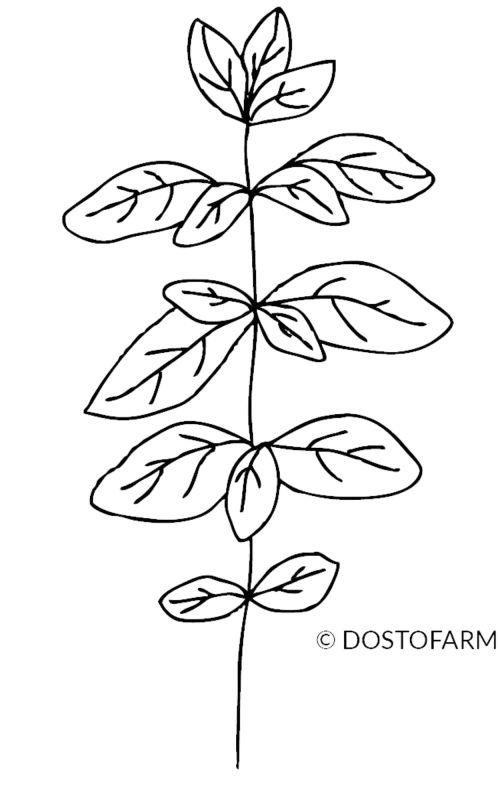
Illustration: Oregano

Oregano Oil

Oregano essential oil is rich in phenolic compounds, which disrupt parasite cell membranes. Studies demonstrate that oregano oil exhibits both ovicidal and larvicidal activity, inhibiting egg hatching and larval development in gastrointestinal nematodes [9][10].

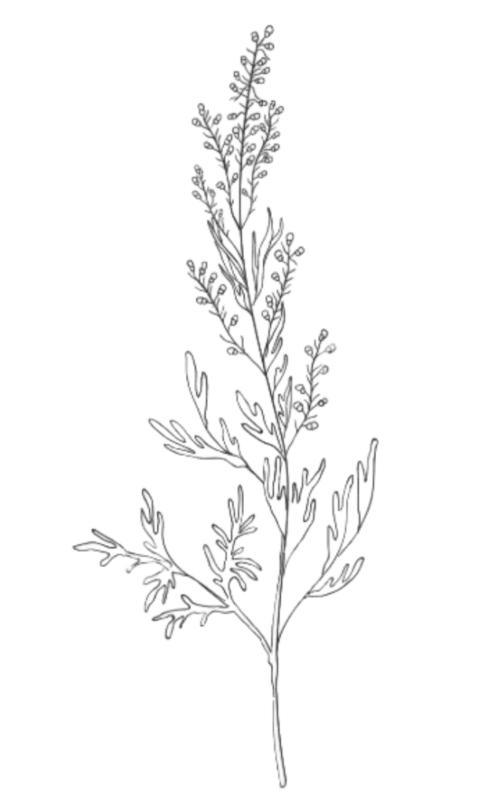
Illustration of wormwood extract

Wormwood extract

Wormwood extract contains bioactive compounds such as sesquiterpene lactones that interfere with parasite neuromuscular functions and metabolism. Both in vitro and in vivo studies have shown reductions in larval motility and fecal egg counts in infected animals [11].

Illustration of quillaja saponins

Quillaja saponins

Quillaja saponins interact with cell membrane sterols, causing cell disruption. In addition to their direct antiparasitic effects, they exhibit immunomodulatory properties and modulate microbial populations., supporting gut health and nutrient utilization [12] [13].

Natural support strategies

Natural compounds such as oregano oil, wormwood extract, and quillaja saponins are increasingly explored as scientifically supported tools to complement conventional parasite control strategies. These natural compounds are supportive solutions that reduce parasite pressure, contribute to improved performance, and help decrease reliance on synthetic anthelmintics. Their multi-target activity makes them particularly relevant in resistance mitigation strategies [4].

These benefits are observed across species, where maintaining gut integrity and a balanced microbiota is critical for optimizing nutrient utilization and resilience against parasitic challenges [8].

A Practical Solution for Modern Livestock Systems

These natural extracts are particularly relevant for grazing sheep, goats, and cattle and free-range poultry and pigs exposed to continuous parasite challenge. Their application is especially beneficial during high-risk periods such as early grazing seasons and weaning. In practice, they are incorporated into feed, drinking water or lick tubs and used as part of integrated strategies combining pasture management, monitoring, and targeted selective treatment approaches.

Translating these concepts into practical feeding strategies, DOSTOFARM has developed VERMI®, a natural solution based on carefully selected oregano oil, wormwood extract, quillaja extract and other selected essential oils. Building on more than 25 years of experience with essential oils, it reflects a field-oriented approach aimed at supporting integrated parasite management in modern production systems.

References

[1] Ilangopathy, M. et al. (2019). Economic impact of gastrointestinal nematodes on meat production from sheep. International Journal of Livestock Research. (2019). [2] Charlier, J. et al. (2020). Economic burden of helminth infections in European ruminants. (2020). [3] Strydom, T. et al. (2023). Economic impact of parasitism on beef cattle production. Animals. (2023). [4] Vande Velde, F. et al. (2018). Gastrointestinal nematodes and sustainable control approaches. Frontiers in Veterinary Science. (2018). [5] Permin, A. & Hansen, J.W. (1998). Epidemiology, diagnosis and control of poultry parasites. FAO Animal Health Manual. (2015). [6] Tarbiat, B. et al. (2015). Helminth infections in free-range chickens. Veterinary Parasitology. (2012). [7] Roepstorff, A. & Nansen, P. (1998). Epidemiology and control of helminth infections in pigs. Veterinary Parasitology. (2021). [8] Nejsum, P. et al. (2012). Ascaris suum infection in pigs: development and economic significance. Parasite Immunology.
[9] Jiménez-Penago, G. et al. (2021). Anthelmintic activity of oregano essential oil. Journal of Parasitic Diseases. (2023). [10] Štrbac, F. et al. (2023). Oregano essential oil as an anthelmintic in sheep. Animals. (2025). [11] Flores-Prado, V. et al. (2025). Anthelmintic activity of Artemisia absinthium in goats. Journal of Advanced Veterinary and Animal Research. (2019). [11] Flores-Prado, V. et al. (2025). Anthelmintic activity of Artemisia absinthium in goats. Journal of Advanced Veterinary and Animal Research. (2002). [13] Francis, G. et al. (2002). The biological action of saponins in animal systems. British Journal of Nutrition.

Get in touch with us

Do you have a question about our products or would you like to be contacted by our sales department?
We will be happy to help you.